
What is a channel manager? How hotels sync OTAs without overbooking
A channel manager is software that keeps your rooms, rates and availability synchronized across every sales channel — Booking.com, Expedia, Airbnb, your own website — from one place. When a room sells anywhere, it closes everywhere, which is what prevents double bookings. Here's how it works and whether you need a standalone one.
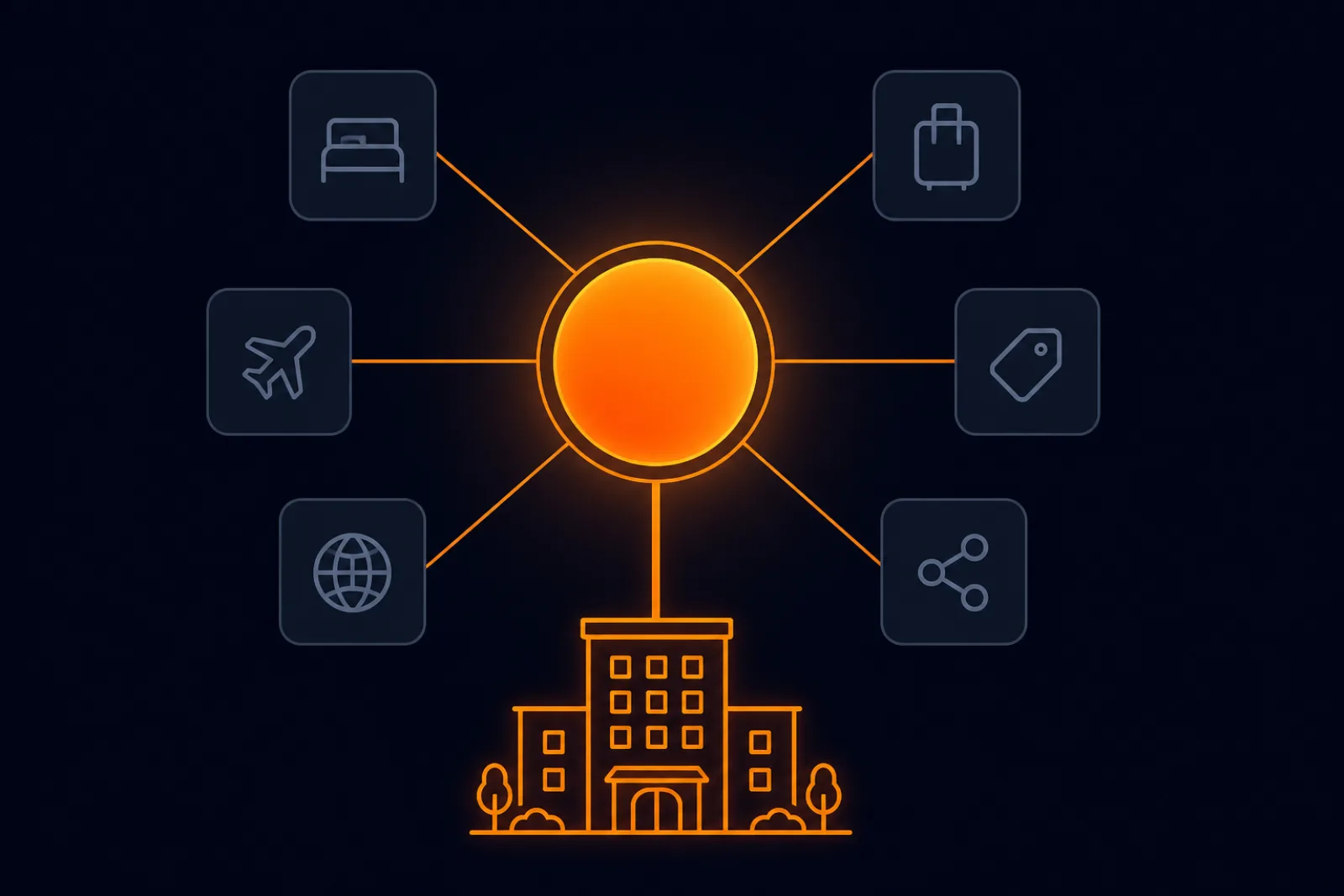
The problem it solves
Without a channel manager, every OTA extranet is an island: you update rates in five places, close dates by hand, and re-type reservations into your PMS. One missed update and two guests book the same room. A channel manager replaces that manual loop with a single feed — one change propagates to every connected channel in near real time, and reservations flow back automatically.
The stakes are concrete. An overbooking is not just an awkward conversation at the front desk: it usually means walking a guest to another hotel at your expense, a public negative review, and on some OTAs a relocation penalty plus lost ranking. For a small property, two or three overbookings in high season can erase the margin of an entire week — which is why synchronization, not distribution, is the channel manager's real job.
How the sync actually works: ARI
The data a channel manager moves is called ARI — Availability, Rates and Inventory. Understanding the loop explains both the value and the failure modes.
- Your PMS is the source of truth. Rates, room counts and restrictions (minimum stay, closed to arrival) live there.
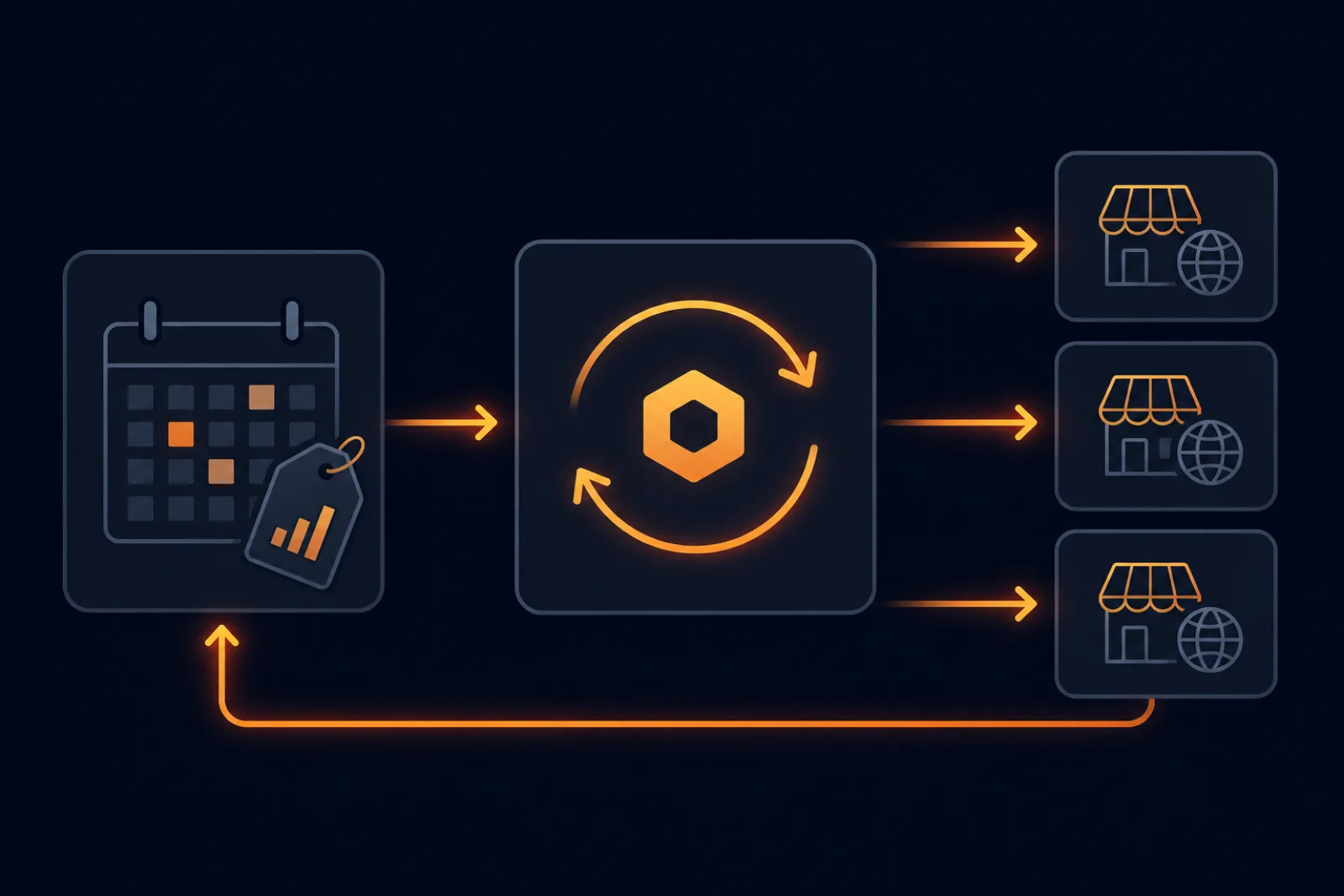
- The channel manager receives every change — a new booking, a rate update, a closed date — through a certified two-way connection.
- It pushes the update to every connected channel: OTAs, metasearch, and your own booking engine. Good systems propagate in seconds to a few minutes.
- Reservations flow back from each channel into the PMS automatically, which closes the availability everywhere else — completing the loop that prevents double-selling.
The weak points to watch: channels connected by slow batch updates instead of real-time pushes, room-type mappings that don't match between systems, and any channel — including your own website — left outside the loop.
Channel manager vs PMS vs booking engine
The PMS is your internal system of record (rooms, folios, housekeeping). The channel manager is the distribution hub that talks to OTAs. The booking engine is the storefront that sells rooms on your own website. They're three different jobs — some suites bundle them, but plenty of hotels combine specialists: a PMS they like, a connectivity layer like Channex, and a website with a conversion-optimized booking engine.
| System | Its job | Who uses it |
|---|---|---|
| PMS | System of record: rooms, reservations, folios, housekeeping, reporting | Your staff, daily |
| Channel manager | Distribution hub: pushes ARI to OTAs and pulls reservations back | Revenue/ops, mostly invisible once set up |
| Booking engine | Storefront on your own website: availability search, room selection, payment | Your guests |
Do you need a standalone channel manager?
If your PMS already includes solid channel management (Cloudbeds, Mews and others do), usually not. If it doesn't — or its OTA coverage is thin — a dedicated layer like Channex, SiteMinder or D-EDGE fills the gap. What matters is the architecture: PMS as source of truth, one sync layer, and your direct channel connected to the same availability so your own website never shows stale inventory.
If you do evaluate a standalone channel manager, check five things:
- Two-way PMS certification — a certified connection to your PMS, not a generic import.
- Real-time updates, not scheduled batches; ask for the typical propagation time.
- Coverage of the channels you actually sell on, including regional OTAs in your market.
- Transparent pricing — flat per property beats per-channel or per-booking fees as you grow.
- Direct channel support — your booking engine must consume the same live ARI as the OTAs.
Where the direct channel fits
A channel manager distributes your inventory to channels that charge 15–25% commission. Your website is the one channel that doesn't — so it deserves the same real-time sync and a better booking experience. GuruHotel connects to your PMS directly (Cloudbeds) or through Channex (345+ PMS), making your official website a first-class channel with live availability, Stripe checkout and no commission.
How GuruHotel helps
GuruHotel turns a hotel's official website into a direct booking channel: an AI-built site, a conversion-optimized booking engine, real-time inventory synced with your PMS (Cloudbeds direct, 345+ more via Channex) and Stripe-powered payments — commission-free on every direct reservation.
FAQ
Is GuruHotel a channel manager?
No. GuruHotel is an AI-built direct booking website and checkout layer. It connects to your existing PMS directly (Cloudbeds) or through Channex, so your direct channel stays in sync with the same availability your channel manager distributes to OTAs.
How much does a channel manager cost?
Standalone channel managers typically run from around $20–30 per month for small properties on API-first platforms to $100+ on enterprise suites, with some vendors charging per channel or per room. If your PMS bundles channel management, the cost is usually inside your PMS subscription.
Can a channel manager prevent every overbooking?
It eliminates the main cause — stale availability across channels — but not race conditions in the final seconds, mismatched room mappings or channels left outside the sync. Keeping every channel (including your own website) on the same real-time feed gets you as close to zero as the technology allows.
How does GuruHotel relate to this?
GuruHotel provides an AI-built hotel website, a direct booking engine, real-time inventory and Stripe-powered payments, helping independent hotels grow commission-free direct bookings alongside their OTA channels.